
Mālama ʻĀina
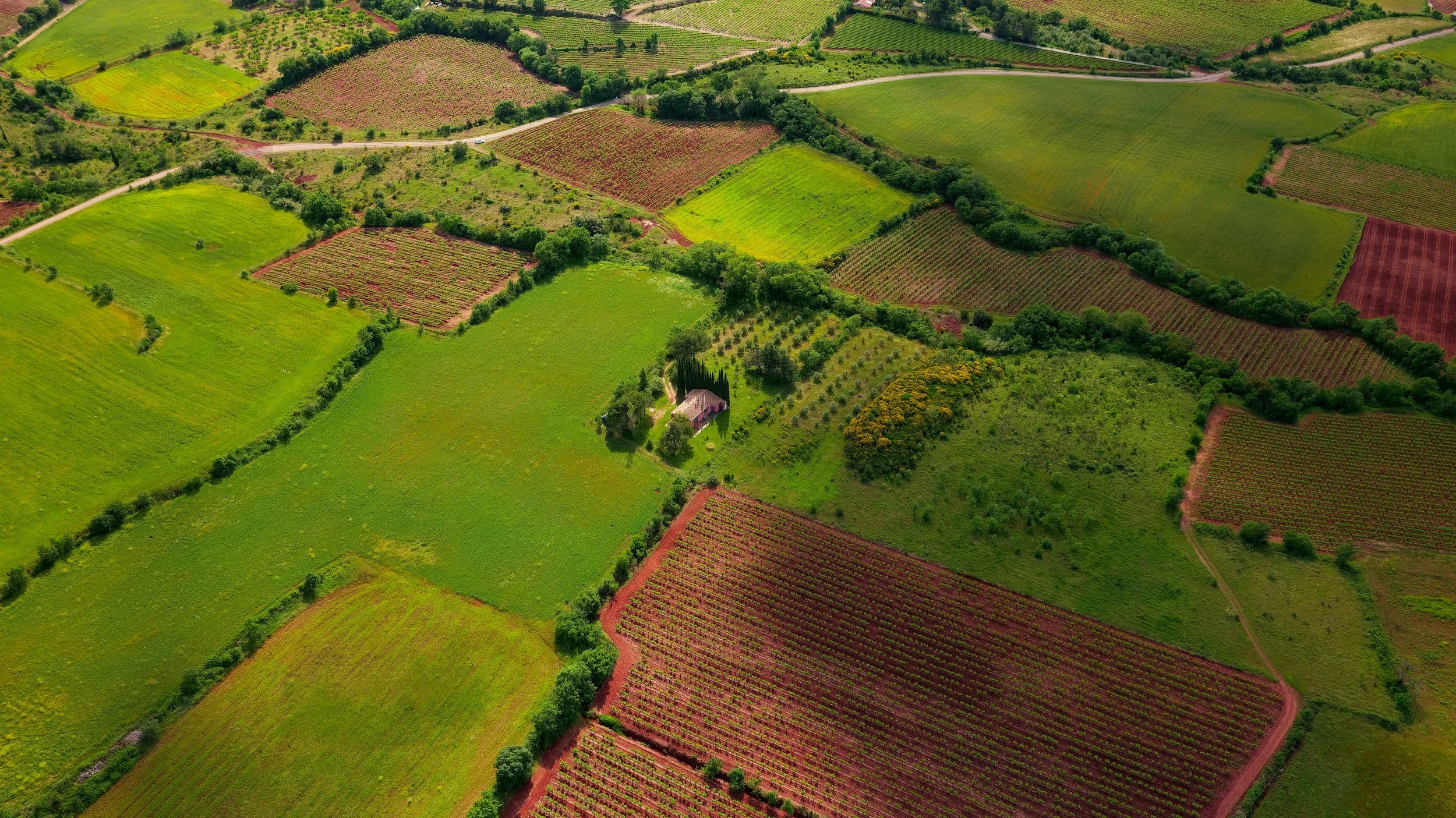
One of the most significant challenges that have emerged in the wake of the development of AI relates to land. World over, large swathes of forestland and previously uncultivated land are being appropriated for the construction of data centres. The construction and operation of data centres is also resulting in the displacement of people and biodiversity, and the depletion of resources like ground water and soil.
Land is much more than an area of the ground we stand on. Land sustains life. A non-renewable resource, the total physical supply of land is finite. While it cannot be entirely destroyed, critical attributes of land in the form of topsoil, mineral wealth, and ground water can be (and has been) depleted through human action and use at a rate faster than nature can regenerate these resources. With competing claims from technology and human habitation, and the earth’s rich biodiversity for a finite piece of land, we are noticing a steady occupation of land to the detriment of other species through human action. One way to be more mindful about this practice is the principle of Mālama ʻĀina, from Native Hawaiian culture.
Before proceeding, we want to name the fact that Mālama ʻĀina is a living principle in Native Hawaiian culture that is embedded in the ongoing struggles of the Hawaiian people for sovereignty, land rights, and cultural survival in the face of colonial dispossession that continues to date. We approach this concept as learners and outsiders, with the awareness that drawing on Hawaiian wisdom in a governance document without centring Hawaiian voices and political struggles risks reproducing the very extractive relationship the concept critiques. We hold this tension openly and encourage readers to direct attention and resources toward Native Hawaiian sovereignty movements alongside engaging with this concept.
Understanding Mālama ʻĀina
Mālama ʻĀina translates to mean “caring for the land.” However, here, the word “land” in English flattens out a rich, experiential meaning. The word ʻāina is loosely translated to land, but comes from the root word ‘ai, which means “to be nourished.” With this wisdom, the true meaning of land is “that which feeds” or “that which nourishes.” By calling for us to care for land, Mālama ʻĀina presents us with a reciprocal relationship of care where the land feeds the people and the people care for the land in return. The sense of “care” centred here is not mere stewardship or a superficial tending to. Rather, it is a recognition of land as kin and a commitment to fulfilling mutual obligations between kin.
In traditional Hawaiian thought, the relationship between people and land is genealogical. The Hawaiian people trace their ancestry to Wākea, or the sky father, and to Papahānaumoku, or the earth mother. Land, to them, is not a possession, but an elder sibling born before them. To care for the land is to care for one’s family member.
Mālama ʻĀina is a practical, embodied principle that is embedded in traditional Hawaiian land management systems and practices, namely the ahupua‘a, which organises land use from the mountain to the sea in ways that sustain the health of the entire watershed and all communities that depend on it for survival. These systems have worked for years, sustaining whole communities for centuries. Colonisation has been a major disruptor, resulting in one of the most aggressive forms of harm faced by the Native Hawaiian people.
What Mālama ʻĀina unsettles in AI governance
One of the critical resources for the AI industry has been land and the mineral wealth it offers. While a small mass of environmental activists and civil society has questioned the brazen occupation and acquisition of and extraction from land, precious little about the industry’s demands on land has been examined in governance. Data centres need large amounts of land, which are often strategically chosen for energy access, tax incentives, and cooling capacity. Minerals required to run AI systems are extracted from land in ways that displace communities and supplant biodiversity, contaminate water, and destroy whole ecosystems. The energy that powers AI systems comes from infrastructure that is built on these very lands.
In acquiring, using, occupying, and extracting from this land, the communities affected by such acquisition are rarely consulted meaningfully. The biodiversity that is supplanted in acquiring this land is never accounted for. Mālama ʻĀina reminds us that governance must treat this relationship with land as a moral problem rather than as problem of mere logistics. It asks us to recognize the fact that these lands belong to whole communities. It reminds us of the reciprocal obligations that the use of land generates. It asks us to interrogate what it would mean to care for the land that feeds AI, not in the sense of offsetting carbon emissions, but in the sense of genuine reciprocity with the communities and ecosystems whose land is at stake.
Mālama ʻĀina also presents us with a meaningful critique of the data dynamic. In Hawaiian thought, the knowledge, stories, and cultural production of a community are every bit a part of ʻāina, that is, the nourishing inheritance, as is physical land. Extracting data from Native Hawaiian communities without their consent, absorbing their language into AI models without attribution, and the extraction of cultural knowledge to train systems that serve others are all forms of harm that Mālama ʻĀina considers violations of reciprocal relationship.
Mālama ʻĀina invites us to ask an important question: What land does this AI system rest on and what does it owe to the land and its people? It is a reminder that governance must make the land visible, name the specific places, communities, and relationships that AI infrastructure depends on, and examine whether those relationships reciprocal or extractive ones. It asks us to pause and answer a critical question: What are you giving back to the land?
References
Goodyear-Kaopua, N., Hussey, I., & Wright, E. K. A. (Eds.). (2014). A nation rising: Hawaiian movements for life, land, and sovereignty. Duke University Press.
Meyer, M. A. (2003). Ho'oulu: our time of becoming:[Hawaiian epistemology and early writings]. 'Ai Pohaku Press.
Osorio, J. K. O. (1994). Native Land and Foreign Desires: Pehea Lā E Pono Ai?.
Pukui, M. K., & Elbert, S. H. (1986). Hawaiian dictionary: Hawaiian-English English-Hawaiian revised and enlarged edition. University of Hawaii Press.
NOTE:
This article draws from the wisdom, practices, and life work of Indigenous groups. While educating ourselves on Indigenous worldviews is important, we understand that our actions can also contribute to and enable appropriation. As part of our ongoing attempts at practicing accountability, we invite readers to consider donating to Indigenous groups, collectives, organizations, or initiatives to support their lives and work.
